Updated for 2026 Florida Alligator Draw Season
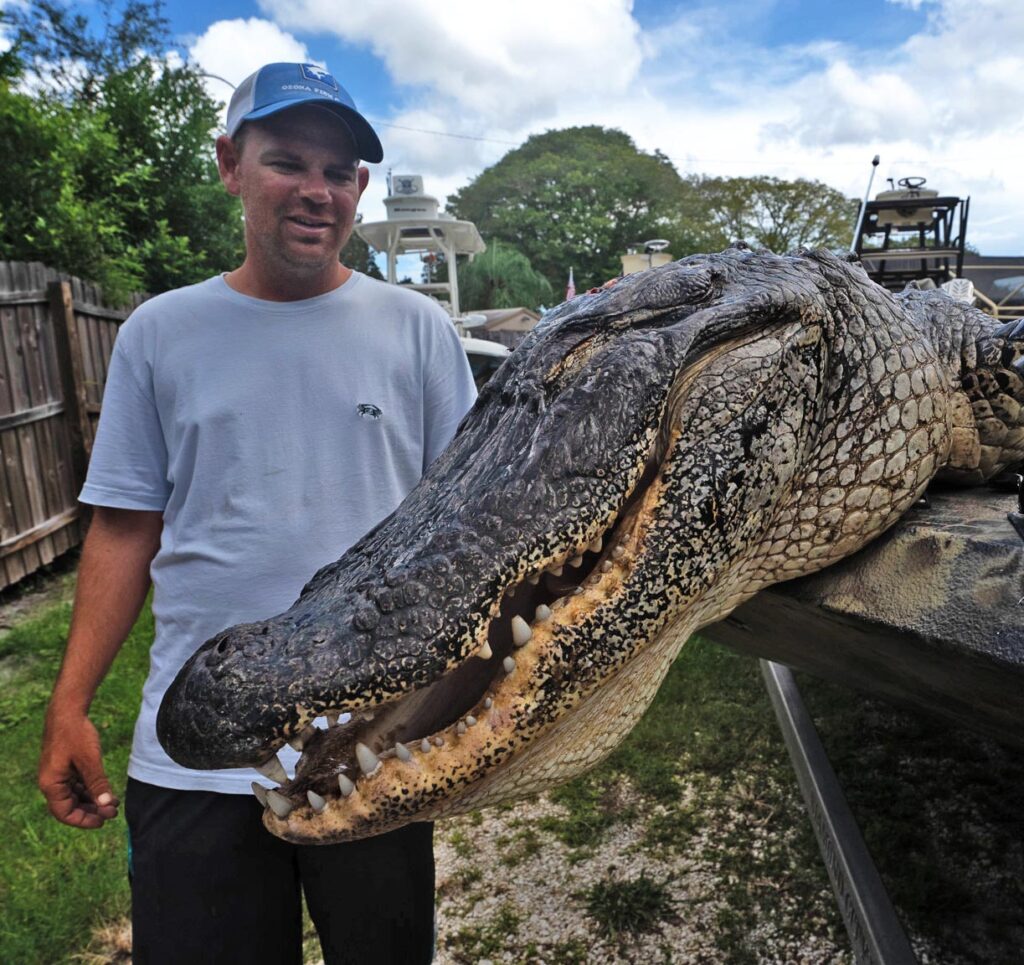
Florida’s annual alligator harvest is one of the most unique hunting opportunities in the country. Every year, thousands of hunters apply for limited-entry alligator tags across the state hoping to experience a true Florida gator hunt.
Florida’s annual alligator permit draw takes place each year from May through June and is one of the most unique hunting opportunities in the country. Thousands of hunters apply for limited-entry alligator tags across Florida, hoping to experience a true Florida gator hunt.
Whether you’re applying for the first time or looking to increase your odds of success, understanding how the Florida alligator draw works can make a major difference. On this page, we’ll break down how the draw system works, how to choose the best units, and what to expect if you draw a permit.
For hunters looking for a fully guided experience, guided Florida alligator hunts offers guided alligator hunts designed for both experienced hunters and first-time gator hunters.
How the Florida Alligator Draw Works
Florida’s statewide alligator harvest program is managed by the Florida Fish and Wildlife Conservation Commission (FWC) and uses a limited-entry draw system.
Hunters apply for specific harvest units during designated application phases. Applications are awarded through a preference point system, which increases your chances of drawing over time if you are unsuccessful.
When applying, hunters select:
- Preferred harvest units
- Hunt periods
- Public or private opportunities
- Permit phase choices
Some units are significantly more competitive than others, especially areas known for producing large alligators or higher success rates.
Because permits are limited, many hunters begin planning months in advance.
Florida Alligator Tag Costs & License Fees
Florida resident and non-resident alligator permit costs can vary depending on the type of permit, harvest unit, and licensing requirements.
Current statewide alligator harvest costs are approximately:
- $272 for Florida residents
- $1,022 for non-residents
- $62 for hunters who already possess a valid alligator trapping license
- $52 for alligator trapping agent licenses
Hunters may also need additional licenses and management area permits depending on where they plan to hunt.
Understanding Florida Alligator Super Hunts & Harvest Data
Florida’s alligator draw system also includes “Super Hunt” opportunities, which give hunters additional flexibility compared to standard harvest permits.
Super Hunts can allow hunters to:
- Hunt larger geographic regions
- Hunt across multiple counties or zones
- Access more flexible hunting opportunities
- Potentially improve odds depending on application strategy
For hunters focused on trophy alligators or maximizing opportunity, understanding how Super Hunts work can be extremely valuable during the application process.
Another useful tool for applicants is the harvest data provided by the Florida Fish and Wildlife Conservation Commission (FWC).
FWC harvest reports can help hunters research:
- Historical success rates
- Average alligator sizes
- Harvest totals by unit
- Trophy-producing areas
- Hunting pressure in specific zones
Reviewing historical harvest data before applying can help hunters make more informed decisions about where to put in for tags instead of simply applying for the most popular units every year.
However, raw data only tells part of the story.
Some areas may show:
- High harvest totals but smaller average sizes
- Easier harvest conditions but heavy hunting pressure
- Better trophy potential with lower success rates
- Difficult access requiring specialized equipment
At HuntNFL Guided Alligator Hunts, we help hunters understand the differences between Central and South Florida alligator units so they can choose areas that best match their goals.
If your goal is harvesting a true trophy gator, we strongly recommend contacting us before applying so we can help point you toward productive areas that fit your experience level and hunting expectations.
Best Florida Alligator Hunting Units
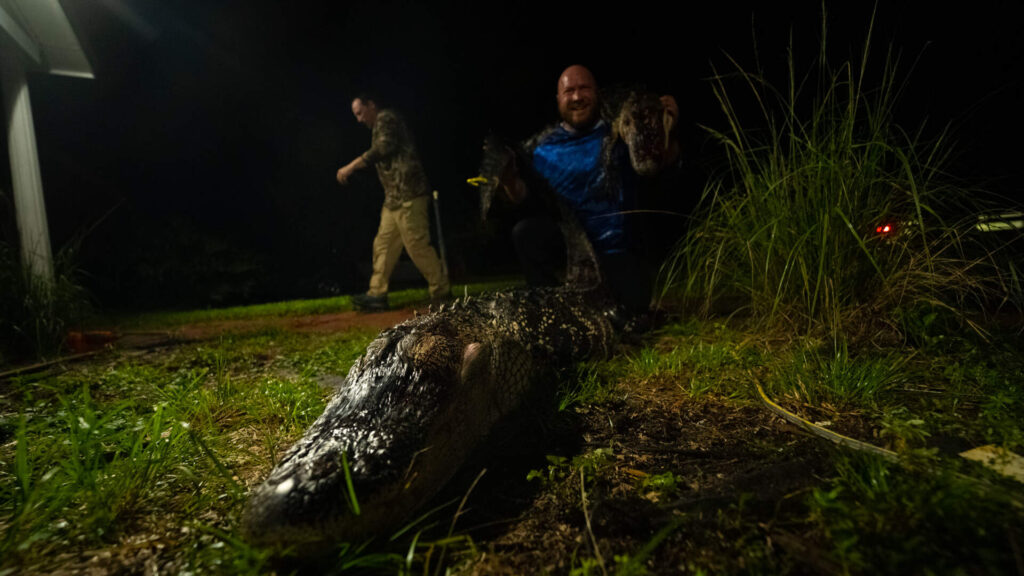
Florida offers a wide variety of alligator hunting opportunities ranging from marsh systems and rivers to private ranches and large freshwater lakes.
Lake Okeechobee
Lake Okeechobee is one of the most recognized alligator hunting areas in Florida. The massive lake system holds large numbers of alligators and consistently produces trophy-class gators.
Kissimmee Chain of Lakes
The Kissimmee Chain is known for healthy alligator populations and productive habitat. Hunters often target this area for both numbers and trophy potential.
St. Johns River
The St. Johns River system provides diverse hunting opportunities with expansive marshes, backwaters, and river systems that hold quality alligators throughout the season.
Everglades & South Florida Marshes
South Florida offers a true wilderness-style alligator hunting experience. Remote marsh systems and wetlands provide opportunities for experienced hunters looking for adventure-style hunts.
Private Land Alligator Hunts
Private ranches and managed properties often provide higher success rates, reduced pressure, and more controlled hunting conditions compared to public draw units.
Many guided hunters prefer private land opportunities for:
- Better access
- Trophy management
- Easier retrieval
- Higher success rates
- Less hunting pressure
Additional Notable Florida Alligator Hunting Areas
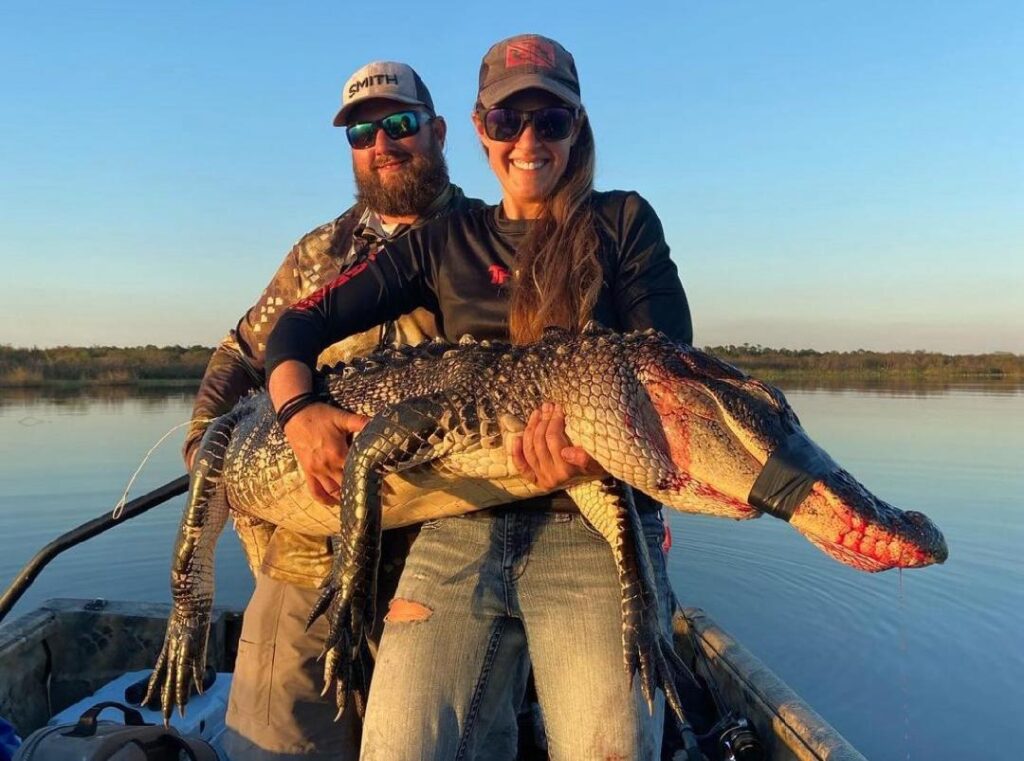
Florida has no shortage of productive alligator habitat, and some of the state’s most consistent hunting opportunities come from smaller lakes, river systems, and county-based harvest units that many hunters overlook during the application process.
Lake Jesup
Lake Jesup is widely known for holding one of the densest alligator populations in Florida. Located in Central Florida near Orlando, the lake has become one of the state’s most recognized alligator hunting areas due to both numbers and trophy potential.
Lake Monroe
Lake Monroe and the surrounding St. Johns River system provide productive habitat for mature alligators. Hunters often target this area for its combination of accessible water, healthy populations, and opportunity at quality-sized gators.
Lake Hancock
Lake Hancock has developed a strong reputation among Florida alligator hunters for producing large alligators and offering quality hunting opportunities within Central Florida.
County-Wide Alligator Harvest Units
Many experienced hunters specifically target county-wide permits and smaller harvest units because they can provide access to less pressured bodies of water that receive significantly less hunting traffic than major statewide units.
One of the biggest advantages of county permits is the ability to explore:
- Smaller lakes
- Marsh systems
- Canals
- Backwater areas
- Less pressured public waters
These smaller areas can sometimes produce:
- Better trophy potential
- Less educated alligators
- Reduced competition from other hunters
- More flexible hunting strategies
Hunters who understand how to properly research county harvest units often discover opportunities that many applicants completely overlook. At Florida gator hunting opportunities, we regularly help hunters identify productive Central and South Florida areas based on:
- Trophy potential
- Hunting pressure
- Access difficulty
- Success rates
- Preferred hunting style
If your goal is targeting a trophy alligator or avoiding heavily pressured public units, contacting us before applying can help you make a much more informed application decision.
Ready To Plan Your Florida Alligator Hunt?
Whether you’re applying for Florida alligator tags for the first time or looking to target a true trophy gator, having the right strategy can make a major difference.
At HuntNFL, we help hunters throughout Central and South Florida with:
- Choosing productive harvest units
- Trophy-focused application strategies
- Guided alligator hunting trips
- Hunts for non-resident hunters
- Private land opportunities
- Hunters who did not draw tags
- Beginner-friendly guided hunts
From public water hunts to trophy-class private land alligators, we work hard to help hunters maximize both opportunity and success during Florida’s alligator season.
If you have questions about applications, harvest units, trophy potential, or guided hunt availability, contact us today to start planning your Florida alligator hunt.
Frequently Asked Questions
Florida’s alligator permit application period typically runs from May through June each year. Hunters can apply through the Florida Fish and Wildlife Conservation Commission (FWC) during designated application phases for harvest units across the state.
Florida alligator Super Hunts allow hunters to access larger hunting regions or more flexible hunting opportunities compared to some standard harvest permits.
Florida resident and non-resident alligator permit costs can vary depending on the type of permit, harvest unit, and licensing requirements.
Current statewide alligator harvest costs are approximately:
- $272 for Florida residents
- $1,022 for non-residents
- $62 for hunters who already possess a valid alligator trapping license
- $52 for alligator trapping agent licenses
Hunters may also need additional licenses and management area permits depending on where they plan to hunt.
Yes. Non-residents can apply for many Florida alligator hunting opportunities, although fees and availability may differ.
Hunters can review FWC harvest reports and historical harvest data to compare success rates, average alligator sizes, and harvest totals in different units.
Popular alligator hunting areas include Lake Okeechobee, the Kissimmee Chain, the St. Johns River system, Lake Jesup, Lake Monroe, Lake Hancock, and select private ranches throughout Florida.
Yes. County-wide permits can provide access to smaller and less pressured bodies of water that may offer excellent hunting opportunities and trophy potential.
Areas such as Lake Jesup, Lake Monroe, Lake Hancock, and smaller county-managed water systems are often considered productive alligator hunting areas by experienced hunters.
Yes. Some guided hunts operate under outfitter permits, private land opportunities, or landowner permits.
If your goal is targeting a trophy alligator or maximizing your success rate, speaking with an experienced guide before applying can help you choose the best harvest units for your goals.
Absolutely. Many guided alligator hunts are designed specifically for first-time hunters and families.
Legal methods may include harpoons, bang sticks, crossbows, rods and reels, or other FWC-approved methods depending on regulations.
Florida is home to some extremely large alligators, with mature trophy gators commonly exceeding 10 feet in length.